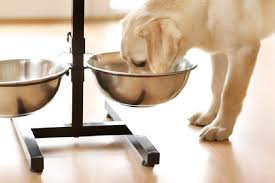
When it comes to your dog’s health, even the smallest changes in their daily routine can make a significant difference. One often-overlooked aspect of canine wellness is how your dog eats. Veterinarians across the country are increasingly recommending elevated feeding solutions, and for good reason. A single raised dog bowl can dramatically reduce the strain on their joints and spine.
The Posture Problem Most Dog Owners Miss
Every time your dog bends down to eat from a floor-level bowl, they’re putting unnecessary strain on their neck, shoulders, and spine. This awkward posture forces them to crane their neck downward, compressing their esophagus and making swallowing more difficult. Over time, this repeated stress can contribute to joint problems and discomfort, especially in larger breeds or dogs with existing arthritis.
Digestive Benefits You Can’t Ignore
Beyond posture, elevated bowls offer significant digestive advantages. When dogs eat in a more natural, upright position, gravity assists in moving food from the mouth through the esophagus and into the stomach. This can help reduce instances of regurgitation, bloating, and general digestive discomfort.
For dogs prone to eating too quickly, the elevated position encourages a more measured eating pace. The slight elevation creates a psychological shift that can help anxious eaters slow down and chew more thoroughly.
Who Benefits Most from Elevated Bowls?
While any dog can benefit from elevated feeding, certain groups see particularly dramatic improvements:
Large and Giant Breeds: Dogs like Great Danes, Mastiffs, and German Shepherds have a considerable distance to bend when eating from floor bowls.
Senior Dogs: Older dogs often develop arthritis, making the daily act of bending to eat genuinely painful. Elevation transforms mealtime from a dreaded activity into something comfortable.
Dogs with Megaesophagus: This condition affects the esophagus’s ability to move food to the stomach. Elevated feeding is often a critical part of managing this diagnosis.
Post-Surgery Recovery: Dogs recovering from neck, back, or joint surgeries benefit immensely from not having to bend during meals.
Making the Switch
Transitioning to an elevated bowl is straightforward. Most dogs adapt immediately, though some may need a day or two to adjust to the new height. The key is choosing the right elevation; your dog’s bowl should be positioned so their neck is roughly level with their shoulders when eating.
Pay attention to your dog’s comfort level during the first few meals. They should be able to eat without stretching upward or bending downward significantly. If you notice them struggling to reach the bowl or still bending considerably, adjust the height accordingly.
The Bottom Line
Elevated dog bowls aren’t a luxury, they’re a simple, effective way to support your dog’s health throughout their life. From reducing joint strain to improving digestion, the benefits are backed by veterinary science and observed by pet owners daily. If you haven’t considered elevation for your dog’s feeding station, now is the perfect time to make this positive change for their wellbeing.