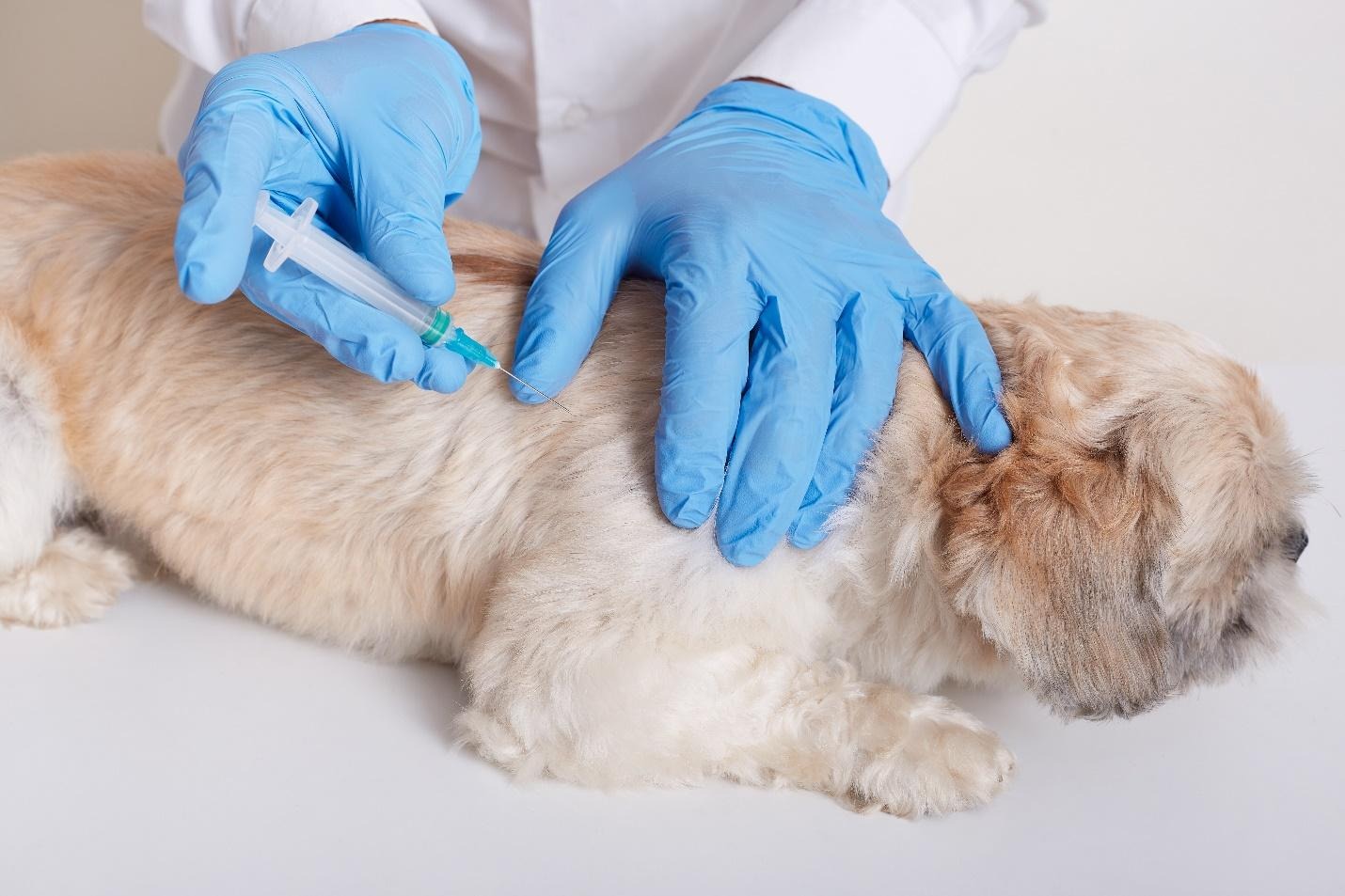
Animal vaccinations are biological preparations that safely expose an animal to specific viruses or bacteria to stimulate its immune system. They help prevent fatal diseases and establish herd immunity, safeguarding vulnerable animals and preventing zoonotic illnesses from crossing over to humans.
These vaccinations are a vital cornerstone of preventive care, safeguarding pets and helping prevent serious diseases. If you own a pet at home and want to learn about the importance of an animal vacation, this informative readout is for you. Keep reading.
Zoonotic Disease Prevention & Public Health
Vaccinating pets serves as a vital barrier, protecting families, communities, and public health from life-threatening exposures. Animal vaccinations are a protective shield that protects your animals from disease and helps protect humans from it.
Many of the deadliest animal diseases are zoonotic, meaning they naturally spread between animals and humans. These diseases, caused by pathogens such as viruses, bacteria, parasites, and fungi, account for more than 60% of human infectious diseases.
Safeguarding Global Food Systems
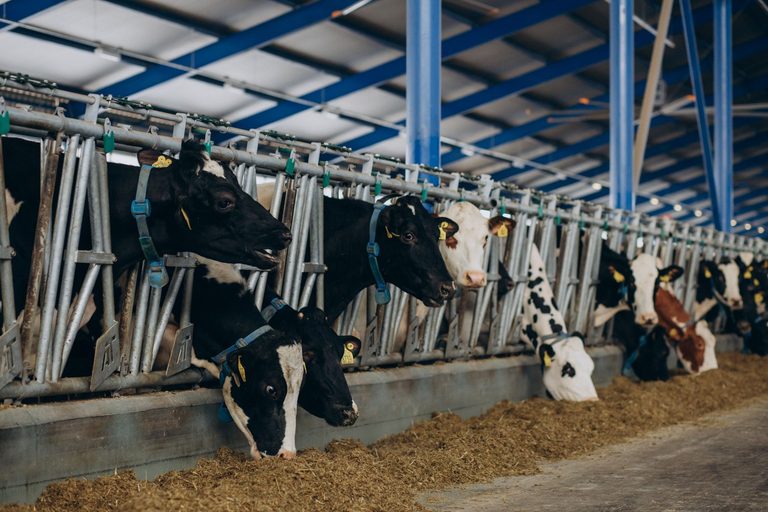
By vaccinating your animal, you safeguard the global food system. Proper animal vaccinations reduce morbidity and mortality in livestock, and immunization programs secure the global supply of meat, milk, and eggs, which directly support global food security.
It further mitigates massive production losses and prevents the imposition of devastating sanitary trade embargoes that can cost affected agricultural sectors billions of dollars. Preventive vaccination reduces the active viral load in animal populations, significantly lowering the likelihood of zoonotic transmission to humans and limiting the spread of foodborne illnesses.
Community Immunity (Herd Immunity)
Vaccinating your animal is not just about protecting them; it also creates a protective shield for other animals. Some diseases, such as rabies, can be easily transmitted to humans and other animals and pose a significant threat to the community’s health.
This is where proper animal vaccination creates a healthy community in which everyone is healthy and responsible for keeping others healthy. Furthermore, it protects vulnerable individuals who cannot be immunized, such as young puppies, pregnant animals, and animals with compromised immune systems.
Expanding Lifespan and Well-being
Animal vaccination extends animals’ lifespan and improves their well-being. It helps prevent diseases such as distemper, parvovirus, and feline leukemia, which are highly painful and have historically spread among pets. Proper animal vaccinations enable animals to live significantly longer and enjoy a higher quality of life with more energy.
Social Activities, Travel, and Legal Compliance
In today’s world, animal socialization is common at boarding facilities, groomers, and public dog parks, underscoring the need for animal vaccination to prevent rapid outbreaks in enclosed spaces. Furthermore, many municipalities legally require rabies vaccination as a key preventive measure.
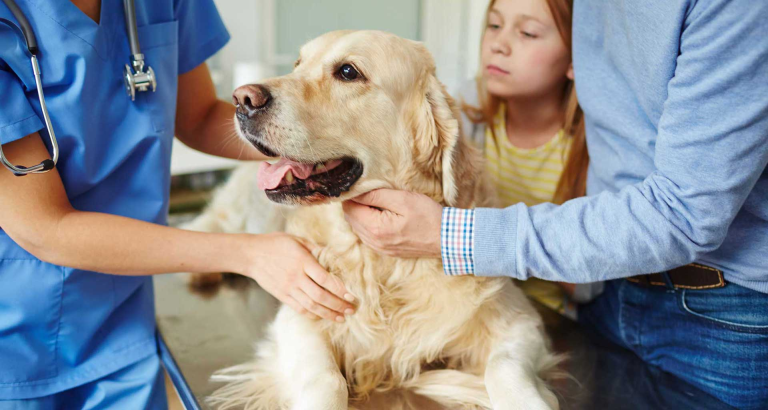
However, to ensure that your animal is adequately protected, you can consult with your local veterinarian. It also recommends contacting a local veterinarian to protect your animals from potentially deadly diseases and ultimately save the whole community from infection.
Bottom Line:
Animal vaccination is, hence, a preventive care procedure that protects your pets from infection and also provides a protective shield for other animals and humans in the community against infectious diseases.