Many dog owners observe their companions exhibiting signs of stress, from incessant barking to destructive chewing, indicating a common issue: canine anxiety. This pervasive condition can significantly impact a dog’s quality of life, as well as the harmony of the household. Fortunately, various strategies exist to help alleviate these struggles, and an increasing number of pet parents are exploring natural supplements.
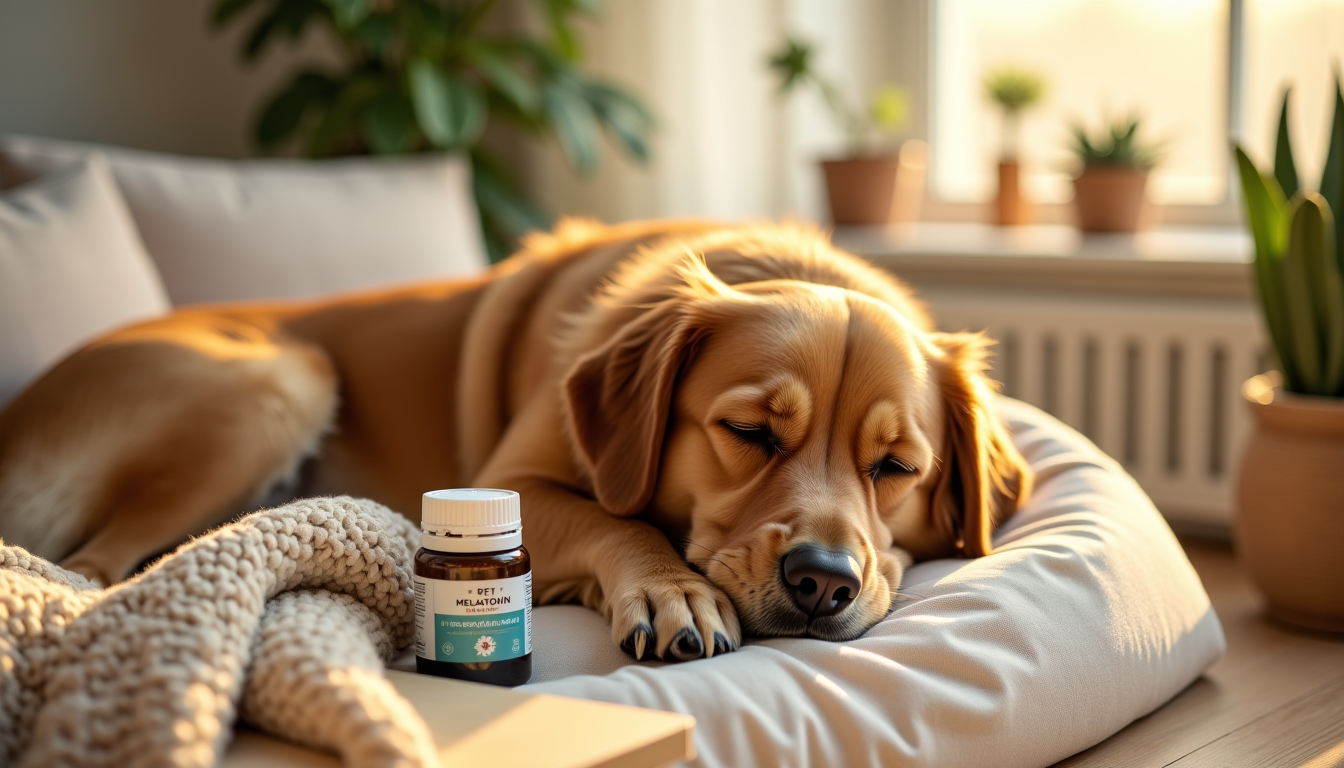
Among the options available, melatonin has emerged as a topic of considerable interest. Understanding how melatonin dogs can benefit from this natural hormone for anxiety management requires a deeper look into its mechanisms and appropriate use. We aim to provide a thorough guide, empowering you with the knowledge to make informed decisions regarding your pet’s health and comfort.
Understanding canine anxiety: Its forms and manifestations
Canine anxiety is a complex emotional state that can manifest in numerous ways, often stemming from fear, separation, or generalized unease. Recognizing the specific type of anxiety your dog experiences is the first step toward effective management.
Separation anxiety, for instance, affects many dogs who become distressed when left alone. This can lead to destructive behaviors, excessive vocalization, or inappropriate urination and defecation. On the other hand, noise phobias are triggered by loud sounds like thunderstorms or fireworks, causing dogs to tremble, hide, or try to escape. Generalized anxiety, while less specific, can result in persistent worry and nervousness, regardless of the situation.
Beyond these common forms, social anxiety can make interactions with other dogs or people stressful, while travel anxiety can turn car rides into a source of dread. Identifying these triggers and patterns is crucial for developing a targeted intervention plan that addresses the root cause of the distress.
- Separation anxiety: Distress when left alone, leading to destructive behavior, vocalization, or house soiling.
- Noise phobias: Fear reactions to loud sounds such as fireworks, thunderstorms, or vacuum cleaners.
- Generalized anxiety: Persistent worry and nervousness that may not be tied to specific triggers.
- Social anxiety: Discomfort or fear during interactions with unfamiliar people or other animals.
- Travel anxiety: Stress and motion sickness associated with car rides or other forms of transport.
- Situational anxiety: Fear or stress in specific contexts, like vet visits, grooming sessions, or changes in routine.
How melatonin dogs can find calm: The science behind the hormone
Melatonin is a naturally occurring hormone primarily produced by the pineal gland in mammals, including dogs. It plays a fundamental role in regulating the sleep-wake cycle, often referred to as the circadian rhythm. The body’s production of melatonin typically increases in the dark and decreases in the light, signaling to the brain when it’s time to rest.
For dogs experiencing anxiety, melatonin’s calming effects are believed to stem from its influence on neurotransmitters in the brain. While it’s not a sedative in the conventional sense, it can promote a sense of tranquility and relaxation without causing drowsiness in the same way some prescription medications might. This makes it an appealing option for owners seeking a gentler approach to managing their dog’s stress responses.
The mechanism through which melatonin dogs can experience relief from anxiety involves its interaction with specific receptors in the brain. By subtly influencing these pathways, melatonin helps to modulate mood and reduce hyperactivity, making dogs more receptive to calming stimuli and less reactive to stressors. It supports the body’s natural processes for achieving a state of repose, which can be particularly beneficial for dogs whose anxiety disrupts their ability to relax or sleep.

Administering melatonin safely: Dosage and considerations
When considering melatonin for your dog, proper administration and dosage are paramount. It’s not a one-size-fits-all solution, and what works for one dog may not be suitable for another. Consulting with a veterinarian is always the best first step to ensure melatonin is appropriate for your pet and to determine a safe and effective dose.
Melatonin is available in various forms, including tablets, capsules, and chewable treats, making it relatively easy to administer. However, it’s crucial to use products specifically formulated for pets or those recommended by a vet, as human formulations can sometimes contain xylitol, an artificial sweetener that is highly toxic to dogs.
General dosage guidelines (always consult your vet)
While a veterinarian will provide specific instructions, general guidelines often suggest a starting dose based on a dog’s weight. It’s common to begin with a lower dose to observe how your dog reacts before making any adjustments. The goal is to find the minimum effective dose that provides relief without causing excessive drowsiness.
| Dog weight (approx.) | Suggested starting dose (mg) | Frequency |
|---|---|---|
| Under 10 lbs (4.5 kg) | 0.5 – 1 mg | 1-2 times daily |
| 10-25 lbs (4.5-11 kg) | 1.5 – 2 mg | 1-2 times daily |
| 26-100 lbs (12-45 kg) | 3 – 6 mg | 1-2 times daily |
| Over 100 lbs (45 kg) | 6 – 9 mg | 1-2 times daily |
Administering melatonin about 30 minutes to an hour before an anticipated stressful event, such as a car ride or fireworks display, can allow enough time for it to take effect. For generalized anxiety or sleep issues, consistent daily dosing as advised by your vet may be more beneficial.
Potential benefits and situations where melatonin may assist
Melatonin’s gentle calming properties make it a viable option for addressing a range of anxiety-related behaviors in dogs. Its ability to promote relaxation without heavy sedation is particularly valued by owners who prefer a more natural approach to their pet’s well-being.
One of the primary benefits is its potential to ease situational anxiety. Dogs who become stressed during car travel, vet visits, or grooming appointments may find comfort with melatonin. Administering it before these events can help to reduce their apprehension and make the experience more manageable for both the dog and owner. Similarly, dogs with noise phobias, such as fear of thunderstorms or fireworks, might exhibit less intense reactions when given melatonin.
For dogs struggling with separation anxiety, melatonin can contribute to a calmer state when left alone. While it’s often part of a broader behavioral modification plan, it can help to diminish the immediate distress and reduce destructive behaviors or excessive barking. Additionally, older dogs or those with cognitive dysfunction syndrome, who may experience disrupted sleep patterns or increased nighttime restlessness, often respond positively to melatonin, which can help regulate their circadian rhythms and improve sleep quality.
The hormone can also be beneficial in managing general nervousness or hyperactivity, helping dogs to feel more settled and less prone to anxious pacing or excessive vigilance. Its relatively mild side effect profile, compared to some prescription anxiolytics, makes it an attractive starting point for many owners.

Important considerations and consulting your veterinarian
While melatonin is generally considered safe for dogs, it’s not without potential side effects or contraindications. Understanding these factors and always involving your veterinarian in the decision-making process is crucial for your dog’s safety and health. Common side effects are usually mild and may include drowsiness, an upset stomach, or changes in behavior. If you notice any adverse reactions, discontinuing use and contacting your vet is recommended.
Melatonin can interact with certain medications, such as corticosteroids, blood thinners, or drugs for diabetes and high blood pressure. Dogs with pre-existing health conditions, particularly those affecting the liver or kidneys, should only be given melatonin under strict veterinary supervision. Pregnant or lactating dogs should also avoid melatonin due to insufficient research on its effects in these specific populations.
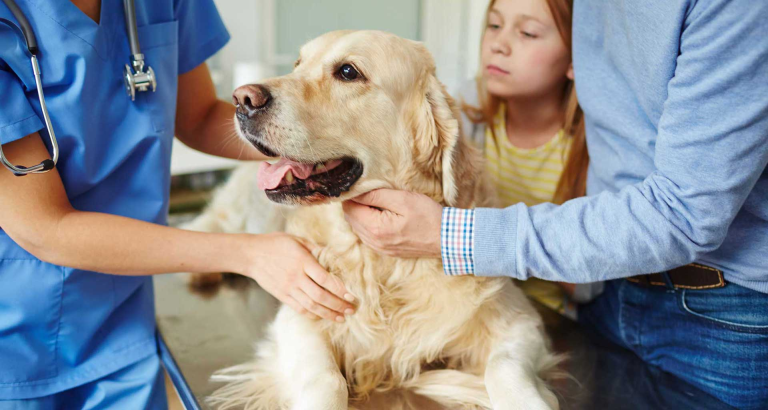
A veterinarian can assess your dog’s overall health, review their current medications, and discuss the specific nature of their anxiety to determine if melatonin is a suitable option. They can also recommend the correct dosage and monitor your dog’s response to ensure efficacy and safety. Remember, melatonin is a supplement, not a cure, and it often works best as part of a comprehensive management plan that may include behavioral training, environmental modifications, and other therapies.
“Every dog’s response to supplements can vary, and what works for one may not work for another. Always prioritize a consultation with your veterinarian to tailor any treatment plan to your pet’s unique needs and health profile.”
Finding high-quality supplements is also a key consideration. When looking for a trusted source for your pet’s needs, exploring options like Melatonin for Dogs can provide a starting point for discussions with your vet about suitable products.
Holistic approaches to managing canine anxiety
While melatonin can be a valuable tool, it often yields the best results when integrated into a holistic approach to anxiety management. Addressing your dog’s anxiety comprehensively means considering various aspects of their lifestyle, environment, and training.
Behavioral modification techniques, guided by a professional dog trainer or veterinary behaviorist, are frequently at the core of any anxiety treatment plan. These techniques often involve desensitization and counter-conditioning, gradually exposing the dog to their triggers in a controlled manner while associating them with positive experiences. For example, a dog with noise phobia might be exposed to very low-volume sounds while receiving treats and praise, slowly increasing the volume over time.
Environmental enrichment plays a significant role in reducing anxiety. Providing your dog with engaging toys, regular exercise, and mental stimulation can help channel their energy positively and reduce boredom, which can sometimes exacerbate anxious behaviors. Puzzle feeders, interactive toys, and structured playtimes are excellent ways to keep their minds active.
Diet and nutrition also contribute to overall well-being. A balanced diet designed for canine health can support neurological function and overall mood. Some specialized diets or supplements containing ingredients like L-theanine or probiotics are also explored for their potential calming effects. Furthermore, creating a safe and predictable routine can offer a sense of security for an anxious dog, reducing uncertainty and stress.
Supporting your dog’s well-being: A comprehensive outlook
The journey to managing canine anxiety is deeply personal for each dog and their owner. Melatonin offers a promising avenue for many, providing a gentle assist in calming nerves and promoting relaxation. Its natural origin and relatively mild profile make it an appealing choice for those seeking to support their dog’s emotional balance.
However, the most effective strategies often involve a multi-faceted approach. Combining melatonin with consistent behavioral training, a stimulating environment, and a supportive routine creates a strong foundation for your dog’s mental health. Regular check-ups with your veterinarian are indispensable, ensuring that any treatment plan remains appropriate and responsive to your dog’s evolving needs.
By taking a proactive and informed stance, you can help your anxious companion navigate their world with greater ease and comfort. The goal is not just to alleviate symptoms but to foster a sense of security and happiness, allowing your dog to thrive as a cherished member of your family.