In today’s world, your brand’s online reputation is one of your most valuable assets. What people find about your brand online can influence their opinions, buying decisions, and loyalty. Whether you’re a small business or a large corporation, keeping track of what’s being said about your brand online is essential. Monitoring your brand’s online reputation allows you to address any issues promptly and maintain a positive image.
Why Monitoring Your Brand’s Online Reputation Matters
Your online reputation can have a significant impact on your business. According to a survey by BrightLocal, 87% of consumers read online reviews for local businesses before making a purchase decision. Positive reviews and mentions can attract new customers, while negative ones can drive them away. Moreover, negative comments or news articles can spread quickly, affecting your brand’s image and credibility.
Regularly monitoring your brand’s online reputation helps you stay informed about what people are saying. It allows you to respond to negative feedback, engage with your audience, and manage your brand’s image proactively.
Tools for Monitoring Your Brand’s Online Reputation
Several tools can help you keep track of your brand’s online presence. These tools make it easier to monitor mentions, reviews, and comments across various platforms.
Google Alerts
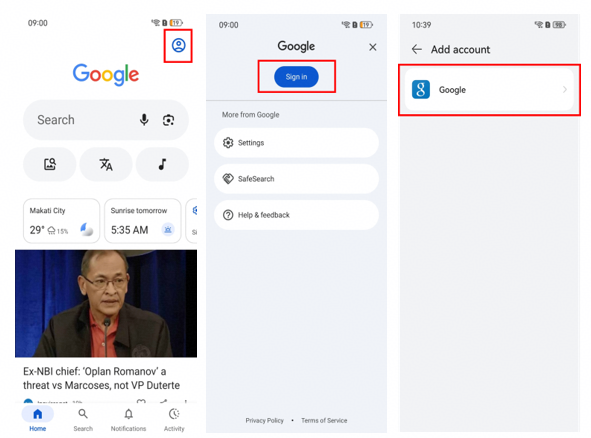
Google Alerts is a free tool that notifies you whenever your brand is mentioned online. You can set up alerts for your brand name, products, or key personnel. Whenever Google indexes a new page containing your specified keywords, you’ll receive an email notification.
This tool is simple to use and can help you stay on top of any new content that might affect your brand’s reputation.
Social Media Monitoring Tools
Social media is a significant part of your brand’s online presence. Monitoring what’s being said about your brand on platforms like Facebook, Twitter, and Instagram is crucial. Tools like Hootsuite, Mention, and Sprout Social allow you to track mentions of your brand, hashtags, and related keywords across multiple social media platforms.
These tools also offer analytics that helps you understand your brand’s performance on social media. By tracking engagement, sentiment, and reach, you can gain insights into how people perceive your brand and adjust your strategy accordingly.
Review Monitoring Tools
Online reviews play a vital role in shaping your brand’s reputation. Tools like Yelp, Google My Business, and Trustpilot allow you to manage and respond to reviews on their platforms. However, to monitor reviews across multiple platforms, you might need a tool like ReviewTrackers or Podium.
These tools aggregate reviews from different sites, making it easier to monitor feedback, respond to customers, and identify areas for improvement.
Website Analytics Tools
Website analytics tools like Google Analytics provide valuable insights into how people are interacting with your website. By monitoring metrics such as bounce rate, average time on page, and traffic sources, you can identify potential issues that might affect your brand’s reputation.
For example, a high bounce rate might indicate that visitors are not finding what they’re looking for, which could lead to negative reviews or comments. By addressing these issues, you can improve user experience and enhance your brand’s online reputation.
How to Respond to Feedback and Mentions
Monitoring your brand’s online reputation is just the first step. How you respond to feedback and mentions is equally important. Whether the feedback is positive or negative, your response can influence how others perceive your brand.
Responding to Positive Feedback
Positive feedback is a great opportunity to reinforce your brand’s image. When someone leaves a positive review or comment, take the time to thank them. A simple “Thank you for your kind words!” can go a long way in building customer loyalty.
Engage with those who praise your brand by liking their comments, sharing their posts, or even offering a discount or special offer as a token of appreciation. This not only shows that you value their feedback but also encourages others to share their positive experiences.
Responding to Negative Feedback
Negative feedback can be challenging, but it’s crucial to address it promptly and professionally. Start by acknowledging the issue and apologizing if necessary. For example, you might say, “We’re sorry to hear about your experience and would like to make it right.”
Offer a solution or invite the person to discuss the issue further offline. This shows that you’re committed to resolving the problem and improving your service. Avoid getting defensive or arguing with the customer, as this can escalate the situation and harm your brand’s reputation.
Engaging with Your Audience
Engaging with your audience is a key aspect of reputation management. Regularly interacting with your followers on social media, responding to comments, and participating in conversations about your brand helps build a positive image.
Encourage your audience to share their experiences with your brand and participate in discussions. By being active and approachable, you create a sense of community around your brand, which can enhance your online reputation.
Proactively Managing Your Online Reputation
In addition to monitoring and responding to feedback, it’s important to take proactive steps to manage your brand’s online reputation.
Create Positive Content
Creating and promoting positive content is one of the most effective ways to manage your brand’s reputation. Regularly update your blog, social media profiles, and website with content that reflects your brand’s values, achievements, and expertise.
Share success stories, customer testimonials, and news about your brand’s positive impact. This not only improves your search engine rankings but also pushes down any negative content, making it less visible to potential customers.
Encourage Customer Reviews
Encouraging satisfied customers to leave reviews can help balance out any negative feedback. After a successful transaction or service, ask your customers to share their experience online. Positive reviews can boost your brand’s credibility and attract new customers.
Make it easy for customers to leave reviews by providing links to review platforms on your website, in emails, or on receipts. Offering incentives, such as discounts or loyalty points, can also encourage more reviews.
Regularly Audit Your Online Presence
Regular audits of your online presence help you identify any issues that need addressing. Check your website for outdated content, broken links, or any other issues that might affect user experience. Review your social media profiles to ensure they’re up-to-date and aligned with your brand’s messaging.
By regularly auditing your online presence, you can catch potential problems early and maintain a positive image.
Final Thoughts
Monitoring your brand’s online reputation is essential in today’s connected world. By using tools like Google Alerts, social media monitoring platforms, and review tracking services, you can stay on top of what’s being said about your brand. Responding to feedback, creating positive content, and engaging with your audience are key strategies for maintaining and enhancing your reputation.
Remember, reputation management is an ongoing process. It requires regular attention and effort to ensure that your brand is seen in the best possible light. By staying proactive, you can protect your brand’s image and build lasting trust with your audience.