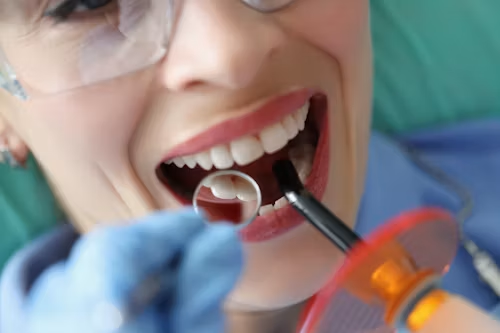
Your smile is often the first thing people notice about you, but dental health goes far beyond aesthetics.
Your mouth is a gateway to your overall well-being, and neglecting it can lead to consequences that reach well past a simple toothache.
From preventing cavities to protecting your heart health, understanding the fundamentals of dental care is one of the most valuable investments you can make in yourself.
Why Dental Health Is So Important
Many people think of dental visits as optional or something to schedule only when a problem arises. In reality, oral health is deeply connected to the rest of the body.
Poor dental hygiene has been linked to several serious conditions, including:
- Heart disease – Bacteria from gum infections can enter the bloodstream and contribute to cardiovascular problems.
- Diabetes complications – Gum disease can make it harder to control blood sugar levels.
- Respiratory infections – Bacteria from the mouth can be inhaled into the lungs, increasing the risk of pneumonia.
- Pregnancy complications – Untreated gum disease has been associated with premature birth and low birth weight.
- Cognitive decline – Some studies suggest a link between chronic gum inflammation and an increased risk of dementia.
Taking dental care seriously isn’t just about avoiding cavities; it’s about protecting your entire body from preventable illness.
Common Dental Problems
Understanding the most frequent dental issues can help you catch them early and avoid costly, painful treatments down the road.
Tooth Decay and Cavities
Tooth decay happens when plaque—a sticky film of bacteria—builds up on the teeth and produces acids that erode enamel.
Left untreated, this can progress into cavities, which require fillings or, in severe cases, root canal treatment.
Gum Disease
Gum disease, or periodontal disease, begins as gingivitis (mild inflammation) and can progress to periodontitis, a more severe condition that damages the soft tissue and bone supporting the teeth. Symptoms include:
- Red, swollen, or bleeding gums
- Persistent bad breath
- Receding gum lines
- Loose or shifting teeth
Tooth Sensitivity
Sensitivity to hot, cold, or sweet foods often signals worn enamel or exposed tooth roots. It can also be a sign of underlying decay or gum recession that needs professional attention.
Malocclusion (Bite Problems)
Misaligned teeth or an improper bite can cause difficulty chewing, jaw pain, and increased wear on certain teeth. Orthodontic treatment, such as braces or clear aligners, is typically used to correct this.
Building a Solid Daily Dental Care Routine
Good oral hygiene doesn’t require anything fancy—just consistency. Here’s what a proper daily routine should include:
- Brush twice a day using fluoride toothpaste and a soft-bristled toothbrush, spending at least two minutes each time.
- Floss daily to remove plaque and food particles from between teeth where a toothbrush can’t reach.
- Use mouthwash to reduce bacteria and freshen breath, especially an antimicrobial or fluoride rinse.
- Clean your tongue gently with a brush or scraper to remove bacteria that cause bad breath.
- Replace your toothbrush every three to four months, or sooner if the bristles are frayed.
- Limit sugary and acidic foods, which fuel the bacteria responsible for decay.
- Stay hydrated to keep saliva flowing, since saliva naturally helps wash away food particles and neutralize acid.
For a clear walkthrough of the correct order to brush, floss, and rinse, this helpful video breaks it down step by step: The Perfect Oral Health Care Routine (3 Easy Steps in Order).
The Importance of Regular Dental Checkups
Even with an excellent home care routine, professional checkups are essential. Dentists can spot early signs of decay, gum disease, or oral cancer long before symptoms become noticeable.
Most professionals recommend visiting the dentist every six months for a cleaning and checkup, though some people with higher risk factors may need more frequent visits.
During a typical dental visit, you can expect:
- A thorough teeth cleaning to remove plaque and tartar buildup
- An oral examination to check for cavities, gum disease, or other abnormalities
- X-rays (periodically) to detect issues not visible to the naked eye
- Personalized advice on improving your home care routine
If you’re in the Philippines and searching for a trusted provider, the dental clinic in trinoma mall offers a convenient option for routine checkups, cleanings, and more advanced dental procedures, all in one accessible location.
Diet and Its Role in Dental Health
What you eat has a direct impact on the strength of your teeth and gums. A tooth-friendly diet should include:
- Calcium-rich foods like dairy, leafy greens, and almonds to strengthen enamel
- Crunchy fruits and vegetables such as apples and carrots, which help naturally clean teeth
- Foods high in vitamin C, such as citrus fruits, to support healthy gums
- Water instead of sugary drinks, since sugar feeds the bacteria that cause decay
On the other hand, sticky candies, sodas, and highly processed snacks should be limited, as they cling to teeth and provide fuel for cavity-causing bacteria.
Dental Care for Different Life Stages
Oral health needs change throughout life, and it’s important to adapt your care accordingly.
- Children – Focus on teaching proper brushing habits early, monitoring sugar intake, and scheduling their first dental visit by age one.
- Teenagers – Orthodontic needs often arise during this stage, along with an increased risk of cavities due to snacking habits.
- Adults – Regular checkups, gum disease prevention, and addressing issues like teeth grinding become priorities.
- Seniors – Dry mouth, tooth loss, and increased risk of gum disease require more attentive care, along with possible dentures or implants.
Final Thoughts
Dental health is not something to put off until pain forces you to act. A consistent home care routine combined with regular professional visits can prevent the majority of oral health problems before they start.
By brushing and flossing properly, eating a balanced diet, and visiting your dentist regularly, you protect not just your smile, but your overall health as well.
Investing time in your dental care today can save you from costly procedures, discomfort, and health complications in the future.
Whether you’re looking for a routine cleaning or specialized treatment, choosing a reliable clinic and staying consistent with your oral hygiene habits will keep your smile healthy for years to come.