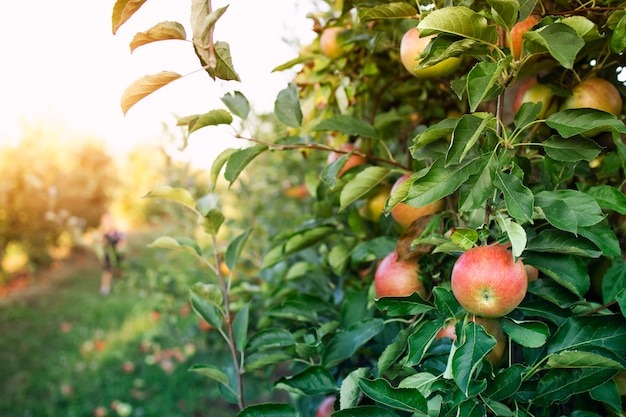
Growing fruit trees at home can be a highly rewarding experience, providing fresh, nutritious produce and enhancing the beauty of your garden. However, choosing the right varieties for your specific climate is crucial for healthy growth and abundant harvests. Different trees thrive under different conditions, so understanding your local weather, soil, and sunlight availability is the first step in creating a productive home orchard.
1. Know Your Climate Zone
Before selecting fruit tree varieties, it’s essential to determine your climate zone. Each type of tree has specific temperature and seasonal requirements for optimal growth. For example, apples and pears generally thrive in temperate climates with cold winters, while citrus trees prefer warmer, subtropical regions.
Knowing your zone helps you choose varieties that are naturally adapted to your environment, reducing the risk of frost damage or poor fruit production.
2. Choose Trees Suited to Your Soil
The soil type in your garden plays a critical role in fruit tree success. Most fruit trees prefer well-draining soil with a balanced pH level. Sandy loam is ideal for many types, while clay-heavy soils may require amendments or raised beds to prevent waterlogging.
Testing your soil and understanding its nutrient content ensures that you select varieties that will thrive in your garden’s natural conditions.
3. Consider Chilling Requirements
Many temperate fruit trees, including apples, peaches, and cherries, require a certain number of “chill hours” below a specific temperature to produce fruit effectively. If you live in a warmer climate, choosing low-chill varieties is important.
Conversely, tropical fruit trees such as mangoes, guavas, and papayas do not require chilling and thrive in consistently warm conditions. Matching the tree to your climate’s natural chill patterns ensures better flowering and fruit set.
4. Account for Sunlight Needs
Sunlight is another critical factor for fruit production. Most fruit trees need at least six to eight hours of direct sunlight daily to grow strong and produce sweet, juicy fruit.
Shade-tolerant varieties exist, but full sun exposure generally results in better yields and healthier trees. Plan your orchard layout to ensure each tree receives adequate light without being crowded by taller species.
5. Select Disease-Resistant Varieties
Choosing disease-resistant varieties suited to your climate can save time, effort, and money on maintenance. Some trees are more susceptible to local pests and diseases, so researching resistant cultivars for your area is key.
Local nurseries or extension services often provide guidance on the best options for your region. Selecting resistant trees not only improves your harvest but also reduces the need for chemical treatments.
Conclusion
Choosing the right fruit trees for your climate is essential for building a thriving and productive home orchard. By considering your climate zone, soil type, chill requirements, sunlight exposure, and disease resistance, you can select varieties that will flourish and provide abundant fruit. Thoughtful planning and proper selection not only improve yields but also ensure your orchard remains healthy and beautiful for years to come. With the right varieties, you can create a sustainable, rewarding space that brings fresh fruit and joy to your home year after year.
About the Author