Maintaining optimal equine wellness requires constant dedication, balanced nutrition, and rigorous daily management.
Whether dealing with performance animals or paddock companions, horse owners must balance exercise regimes with preventative medical care.
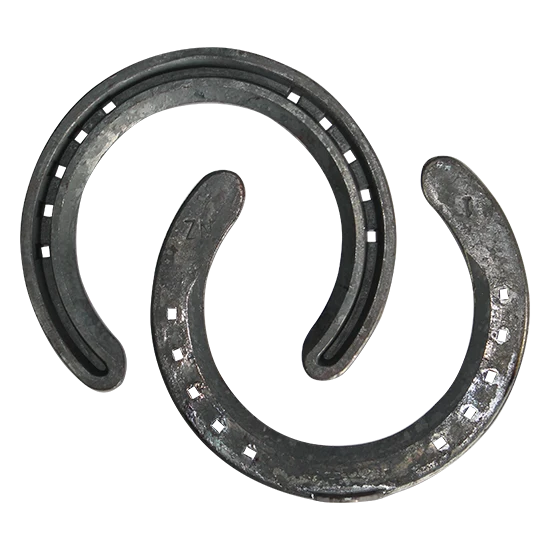
Equine vitality encompasses everything from proper dental alignment and hoof maintenance—including correctly fitted horseshoes—to proactive biosecurity measures that protect against regional illnesses.
Nutritional Balance and Hydration
A balanced diet forms the foundation of robust immune function and sustained energy. Equine nutritional requirements depend heavily on age, workload, and environmental conditions.
- Roughage Quality: High-fibre forage, such as meadow or lucerne hay, must constitute the core of the daily ration to support healthy digestive motility.
- Water Access: Clean, fresh water should be available constantly, as dehydration quickly leads to severe complications like colic.
- Mineral Supplementation: Tailored mineral blocks and vitamin additives address localized soil deficiencies, ensuring strong bone density and coat condition.
Preventive Healthcare and Biosecurity
Safeguarding stable populations requires strict adherence to disease control protocols and routine veterinary checks.
Property management guidelines outlined by Agriculture Victoria emphasize the importance of property identification codes, vaccination schedules, and immediate isolation of new arrivals to prevent contagion.
Routine parasite control programs, dental floating, and regular vaccination against prevalent local viruses ensure that minor issues do not escalate into systemic health crises.
Collaborating closely with certified veterinarians helps structure a proactive medical calendar tailored to specific regional risks.
Hoof Integrity and Mobility
The old adage “no foot, no horse” remains a core principle of sound equine management. Hooves bear the entire weight of the animal, making daily cleaning and inspection non-negotiable tasks.
- Daily Inspection: Checking the sole and frog helps identify thrush, bruising, or lodged foreign objects early.
- Farrier Interventions: Regular trimming and balancing prevent structural strains on the joints and tendons.
- Protective Elements: Working animals frequently require specialized farrier work and fitted hardware to protect sensitive laminae during high-impact training.
Monitoring Behavioural Indicators
Horses are prey animals that instinctively mask discomfort or illness, making keen observation essential for early detection.
Subtle shifts in posture, ear movement, or social interaction often serve as the first warning signs of distress.
For additional expert demonstrations on physical examination routines and recognizing early signs of discomfort, watch this Equine Health Care Overview.
Daily wellness checks combined with attentive handling ensure that minor ailments receive immediate, effective intervention.