Long before children learn to decode words on a page, they learn to read pictures. A picture book is one of the most powerful tools we have for introducing young minds to storytelling, language and the wider world.
Combining vivid illustrations with simple, rhythmic text, picture books do far more than entertain — they lay the groundwork for a lifelong love of reading.
For parents, educators and librarians across Australia, understanding why picture books matter, and how to choose the right ones, is essential to nurturing confident young readers.
What Makes a Picture Book Different?
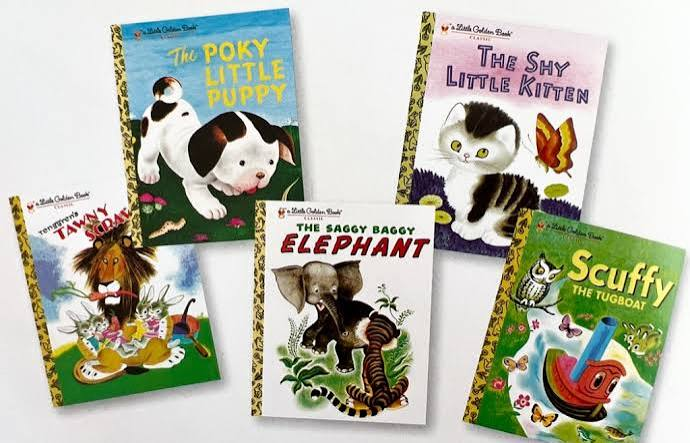
Unlike novels or chapter books, picture books rely on the interplay between text and illustration to tell a story. Often, the pictures carry just as much narrative weight as the words themselves, sometimes even telling the whole story without any text at all.
This unique format makes picture books accessible to children who cannot yet read independently, while still offering rich layers of meaning for older readers and adults sharing the experience.
Key characteristics of a well-crafted picture book include:
- Simple, engaging language that suits early listeners and emerging readers
- Illustrations that extend the story, rather than simply decorating it
- A satisfying narrative arc, even within a short page count
- Repetition and rhythm, which help children predict and participate in the story
- Themes relevant to a child’s world, such as friendship, family, curiosity and emotions
Why Picture Books Matter for Early Development
Reading picture books together is one of the simplest and most effective ways to support a child’s growth.
According to the National Library of Australia, reading picture books helps build speech and language skills, early literacy skills, and imagination and creativity, while illustrations support the text by showing more of the story, sometimes even carrying the narrative entirely without words.
This developmental value extends well beyond literacy. Sharing picture books also nurtures:
- Vocabulary and language acquisition — hearing new words in context helps children absorb meaning naturally
- Emotional intelligence — stories about feelings and relationships help children recognise and name their own emotions
- Concentration and listening skills — following a story from beginning to end builds attention span
- Bonding and connection — shared reading time strengthens the relationship between a child and the adult reading to them
- Cultural awareness — many picture books introduce children to different communities, histories and perspectives
The Role of Illustration in Storytelling
Illustration is the heartbeat of a picture book. A skilled illustrator can convey humour, tension, joy or sadness through colour, composition and expression alone. In many celebrated Australian picture books, the artwork does more than support the words — it becomes a storytelling device in its own right, inviting children to notice details, ask questions and interpret the story in their own way.
This visual literacy is increasingly recognised as an important skill. Children who regularly engage with picture books learn to “read” images critically, an ability that carries over into how they interpret photographs, advertising, film and digital media later in life.
Choosing the Right Picture Book
With thousands of titles available, selecting the right picture book for a child can feel overwhelming. A few practical considerations can help narrow the choice:
- Age and developmental stage — board books with sturdy pages suit toddlers, while more complex narratives suit children aged four and above
- Length and pacing — younger children often prefer shorter, more repetitive stories, while older children can sit through longer, layered plots
- Themes and content — consider what resonates with the child’s current interests, questions or life experiences
- Diversity of authors and illustrators — exposing children to a range of voices broadens their understanding of the world
- Local relevance — Australian picture books often reflect familiar landscapes, animals and cultural experiences that resonate strongly with local readers
Many educators recommend building a home or classroom library that mixes classic favourites with newer releases, ensuring children encounter both timeless stories and contemporary perspectives.
Picture Books in the Classroom
Picture books are not just for bedtime reading — they are a valuable teaching resource across the curriculum.
Teachers regularly use picture books to introduce topics in English, history, geography and social and emotional learning. Because picture books can address complex or sensitive subjects in an accessible way, they are often used to spark classroom discussion around themes such as sustainability, identity, community and civic participation.
Some of the classroom benefits of picture books include:
- Providing a shared text that all students, regardless of reading ability, can engage with
- Encouraging discussion, prediction and critical thinking
- Supporting cross-curricular learning through carefully chosen themes
- Modelling rich vocabulary and sentence structure for developing writers
- Offering a springboard for creative writing and illustration activities
Supporting Australian Authors and Illustrators
Australia has a proud and growing tradition of picture book creators whose work is celebrated both locally and internationally.
Supporting Australian picture books means more than just buying local — it means giving children stories that reflect their own environment, humour and way of life, from native animals and outback landscapes to uniquely Australian family experiences.
Building a collection of Australian picture books also helps preserve and pass on cultural knowledge, including stories that reflect Aboriginal and Torres Strait Islander perspectives, histories and storytelling traditions.
These books offer children an early and meaningful introduction to the diversity of voices that make up the nation.
Final Thoughts
Picture books occupy a special place in a child’s early years, serving as a bridge between spoken language and independent reading, and between imagination and understanding.
Whether shared at bedtime, read aloud in a classroom, or explored independently on a rainy afternoon, picture books offer far more than a story — they offer connection, comfort and the first spark of a lifelong reading habit.
For parents and educators looking to build a well-rounded collection, exploring a curated list of standout titles is a great place to start, ensuring every child has access to stories that entertain, educate and inspire.
Reference: National Library of Australia, Picture books, Digital Classroom — https://www.library.gov.au/learn/digital-classroom/creative-storytelling/picture-books